
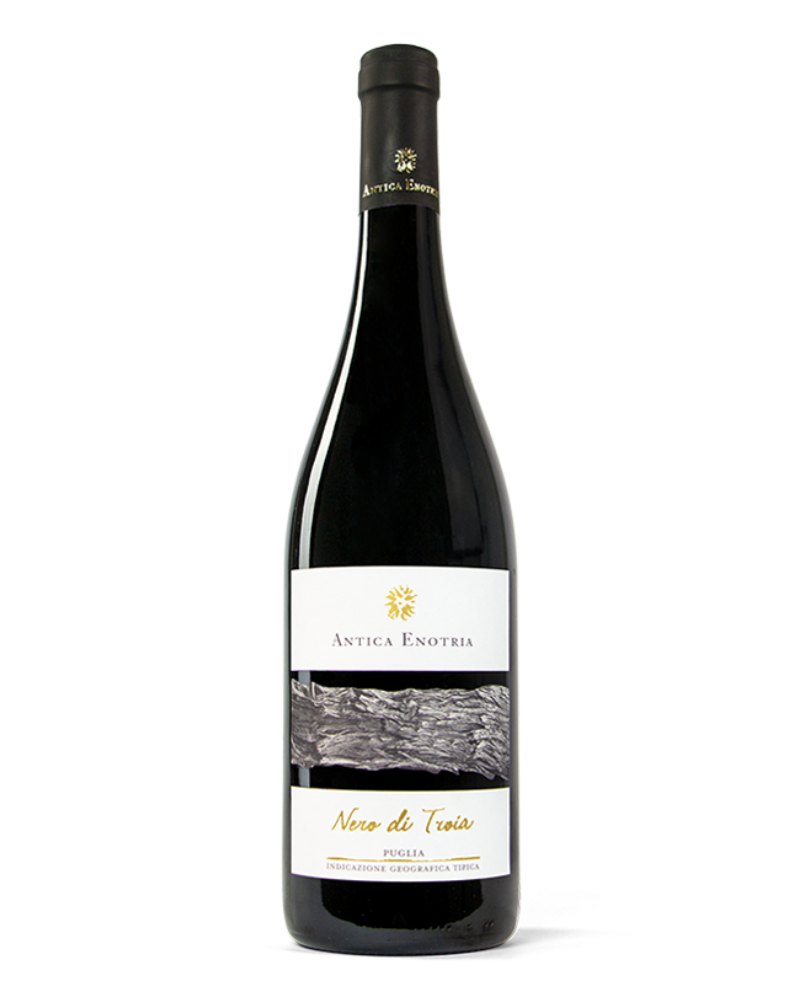
Nero di Troia IGT Puglia – Antica Enotria
Nero di Troia IGT Puglia – Antica Enotria
100% Nero di Troia | 13.5% vol | Organic
An organic red of elegance and depth
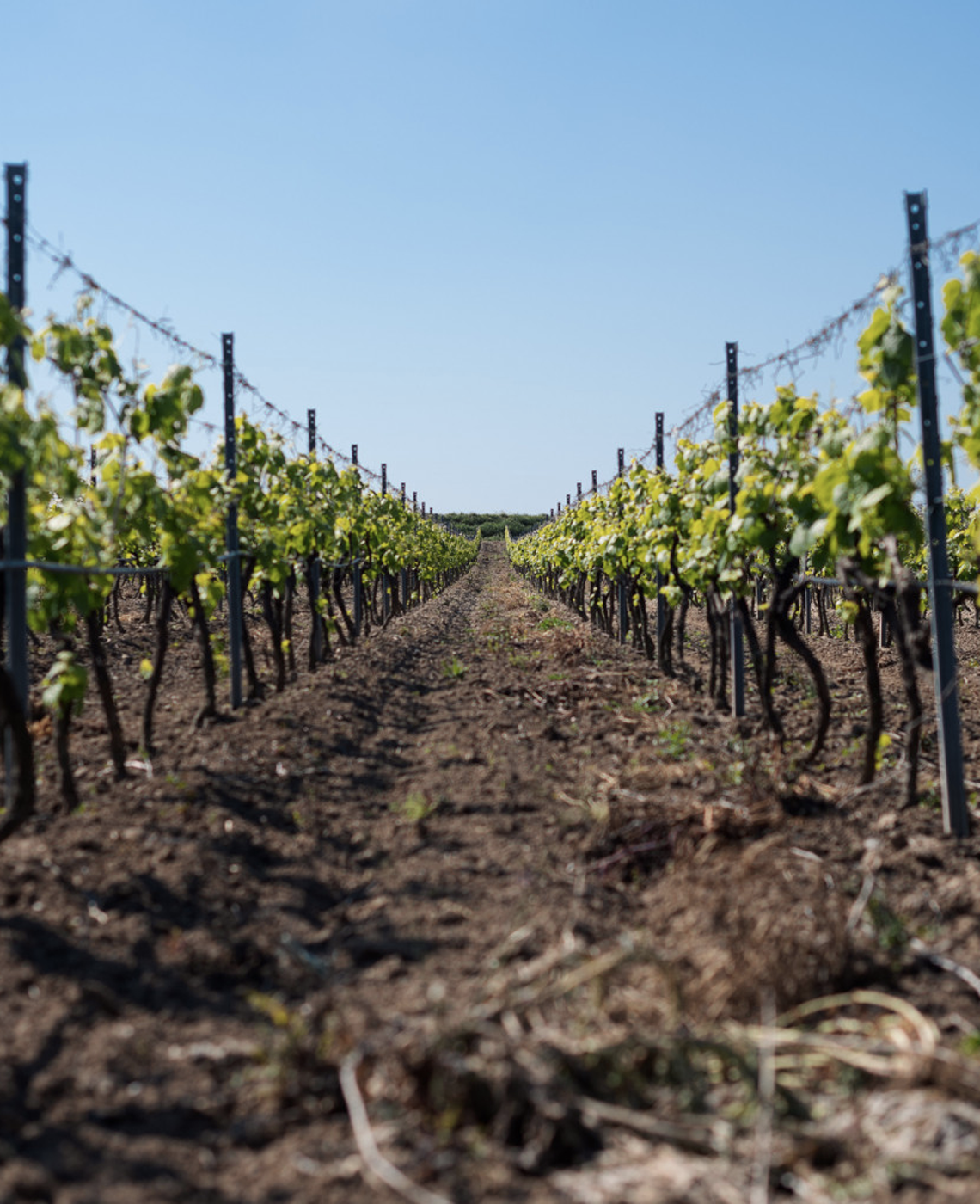
The Nero di Troia IGT Puglia is an organic wine made from 100% Nero di Troia grapes, a symbolic vine of Daunia and the agricultural identity of northern Puglia. The result of careful winemaking and long aging, it stands out for its longevity, structure, and elegance, best expressing the character of its native land.
Tasting notes
It appears a deep ruby red, enriched with violet hues. The nose offers an elegant and profound bouquet, with notes of ripe fruit, sweet spices, and light toasted nuances. On the palate, it is soft, with balanced freshness and a present but well-smoothed tannic structure, making it a persistent and refined wine.
Recommended pairings
Thanks to its structure and aromatic intensity, it is perfect with:
-
Savory pasta dishes, such as tagliatelle with truffle or red meat sauces
-
Roast pork with local spices
-
Baked lamb, hare, lampascioni (wild hyacinth bulbs)
-
Aged cheeses
Winemaking and aging
-
Manual harvest: second week of October
-
Maceration: 15–20 days in steel
-
Fermentation: at controlled temperature (25 °C)
-
Aging: 24 months in 30 hl large barrels, followed by 12 months in bottle
An ancient grape, a new elegance
The Nero di Troia, among the oldest Apulian grape varieties, is known for its rich tannic structure. Once used for blending, today it is the protagonist of a cultural and oenological rebirth, which enhances its finesse, complexity, and evolutionary potential.
According to legend, it was Diomedes, hero of the Trojan War, who brought it to Puglia. Others trace its origins to the village of Cruja, on the opposite Adriatic coast. Whatever its origin, today it is a wine that proudly tells the story of its land.
Awards
Gold Medal – Bioweinpreis, international competition for organic wines with EU-approved PAR® evaluation.
Contains sulfites
Produced in Italy
Choose options
Manufacturing Company
Nero di Troia IGT Puglia – Antica Enotria